Your Honolulu Urban Living Guide for a Smarter Move
May 21, 2026
May 21, 2026
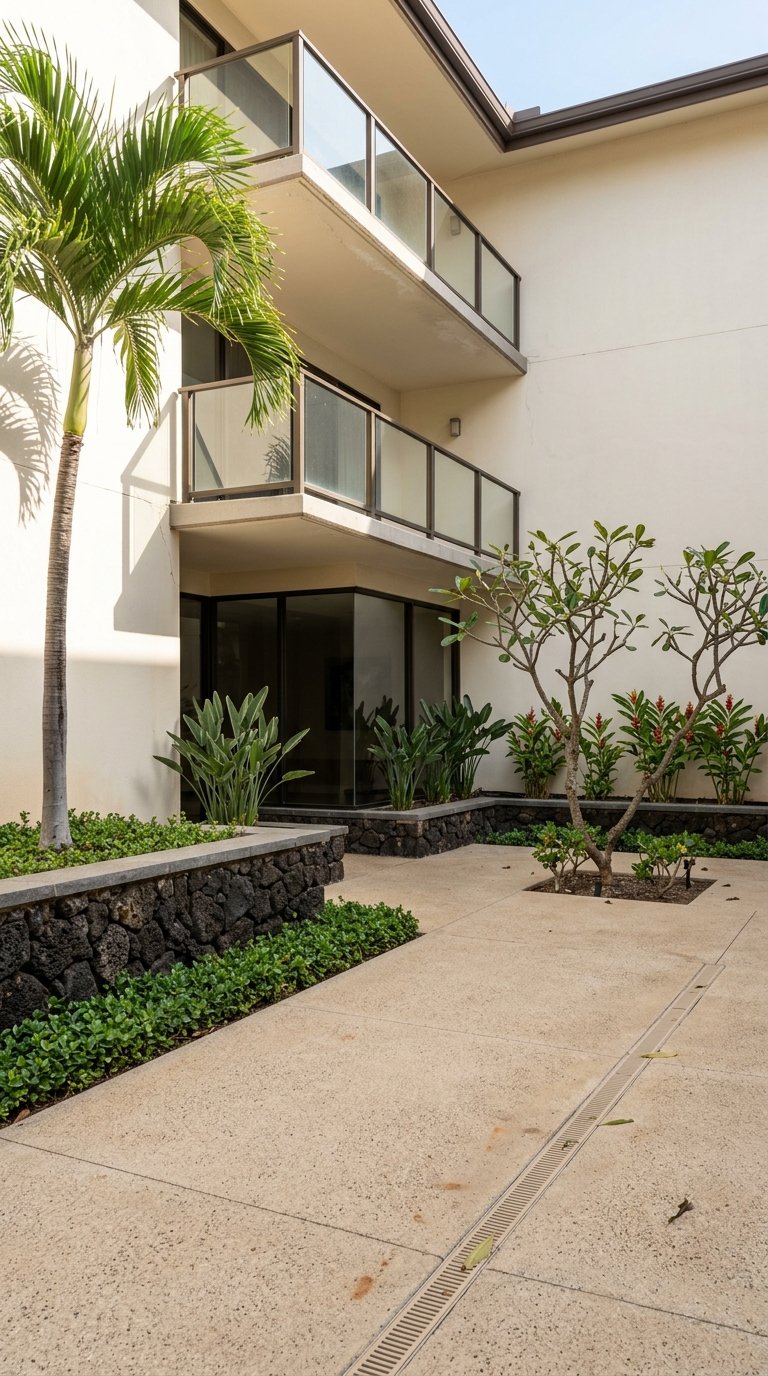
New to Honolulu and trying to picture what everyday life really feels like? You are not alone. Moving to an urban island market comes with big questions about housing, commuting, budget, and lifestyle, especially if you are relocating from the mainland or arriving on a tight timeline. This guide will help you understand how Honolulu’s urban core works, what kind of housing is most common, and where a car-light lifestyle is most realistic. Let’s dive in.
Urban Honolulu is the best statistical snapshot of Honolulu’s built-up core. As of July 1, 2024, it had 344,967 residents, a population density of 5,796.8 people per square mile, and a mean commute time of 21.9 minutes.
It also feels notably international and mixed. Census QuickFacts show that 27.6% of residents are foreign-born, and 35.0% speak a language other than English at home. For many newcomers, that translates into a city experience that feels layered, active, and culturally varied.
One of the biggest adjustments for newcomers is the cost of housing. Urban Honolulu is not a low-cost market, and it helps to set expectations early so you can plan with clarity instead of guesswork.
Census QuickFacts report a median owner-occupied home value of $843,400. The same source lists median monthly owner costs at $3,030 with a mortgage and median gross rent at $1,823. Those numbers are a helpful starting point if you are comparing renting versus buying.
For many buyers, condominiums are the most approachable entry point into central Honolulu. In January 2026, the Honolulu Board of REALTORS® reported a condo median sales price of $529,000, with 2,210 active condo listings and a median of 47 days on market.
By comparison, there were 674 active single-family listings, and the median days on market for single-family homes was 27. That does not mean condos are simple or detached homes are out of reach, but it does show why so many newcomers begin their search with condos, especially in the urban core.
If your goal is to live close to daily essentials, transit, and the city’s most connected areas, a few parts of Honolulu stand out more than others.
Kakaʻako is one of the clearest examples of Honolulu’s urban infill growth. According to the Hawaiʻi Community Development Authority, the district is intended to be a dynamic urban neighborhood with a mix of people, activities, and commerce.
HCDA planning materials also describe Kakaʻako as centrally located between Downtown Honolulu, Makiki, Waikīkī, and Honolulu Harbor. For a newcomer, that central positioning can make it easier to connect work, errands, dining, and recreation in one general area.
Ala Moana is closely tied to transit-oriented development. The City’s Ala Moana TOD plan says the district is already served by a heavily used bus system, and that pedestrian mobility, bicycle access, transit connections, and managed parking are central to the area’s future.
The same plan notes that parts of the district are still auto-dominated today. That is an important reality check. Ala Moana offers strong connectivity, but it is still evolving rather than finished.
Waikīkī sits at the beach-and-hospitality edge of Honolulu’s urban core. TheBus Route 42 serves Waikīkī Beach and Hotels, and the City’s visitor information points residents and visitors to beach park locations and more than 40 lifeguard towers across Honolulu.
For newcomers, Waikīkī often stands out because daily life can feel close to shoreline access, bus service, shops, and a high-energy urban environment. It is one of the easiest places to understand Honolulu’s mix of city living and ocean lifestyle.
Taken together, official planning and transit sources suggest that the most car-light daily living is concentrated around Kakaʻako, Ala Moana, Downtown, and Waikīkī. If you want a more connected urban routine, this core is usually the first place to focus your search.
Yes, in the right area and with the right expectations. Honolulu supports a car-light lifestyle best where transit, walkability, and daily destinations overlap, but the city’s own planning documents make clear that reducing car dependence is still an active goal.
Honolulu’s rail system, Skyline, now includes 19 stations along an 18.9-mile corridor on Oʻahu’s south shore. HART says stations include ADA-compliant access, bike parking, Wi-Fi, and connections to TheBus and TheHandi-Van.
TheBus remains a practical backbone for many trips. The A Line runs from Ahua Lagoon Drive Skyline Station to U.H. Mānoa via Downtown Honolulu, and Route 42 connects Ewa Beach and Pearlridge to Waikīkī Beach and Hotels.
Honolulu’s Complete Streets design manual says urban T-zones T-3 through T-6 are intended to be highly walkable and bikeable, built around roughly a quarter-mile or five-minute walk radius. That gives you a helpful framework when comparing neighborhoods.
In plain terms, some parts of Honolulu can work well without constant car use, especially in the urban core. Still, parking, road design, and auto dependence have not disappeared. The practical question is less “Can I live without a car at all?” and more “How often will I truly need one where I plan to live?”
One of Honolulu’s biggest lifestyle advantages is how close the ocean can feel to everyday routines. The City says Oʻahu has more than 227 miles of coastline and more than 150 identified beaches.
For many newcomers, that changes the rhythm of the week. The beach is not only a weekend outing. It can become part of your normal routine before work, after errands, or on a quick free afternoon.
That lifestyle comes with responsibility. Honolulu emergency guidance says ocean conditions change constantly and recommends checking conditions or speaking with a lifeguard before entering the water.
The City also encourages using lifeguarded beaches. With more than 40 lifeguard towers referenced on the City’s information pages, you have good resources available, but local awareness still matters every time you head out.
If you are still deciding where to start, keep your search centered on a few practical questions. This works especially well if you are relocating from off-island or balancing work, budget, and commute all at once.
Your answers can quickly point you toward Honolulu’s urban core or toward a broader Oʻahu search if you need a different balance of price, property type, and transportation.
Honolulu can be a great fit if you want city energy with ocean access, but it helps to arrive with realistic expectations. Housing costs are high, detached homes are limited compared with condos, and a car-light lifestyle is most realistic in the core rather than across every neighborhood.
At the same time, Honolulu offers real advantages. Commute times in Urban Honolulu average 21.9 minutes, transit options continue to expand, and the city’s mix of cultures, languages, and daily outdoor access gives it a lifestyle that feels distinct from most mainland urban markets.
If you are buying your first place, relocating on a military timeline, or trying to decide whether condo living makes sense, local guidance can make the process much clearer. A grounded plan matters here.
If you want help narrowing neighborhoods, comparing condo versus single-family options, or building a realistic Honolulu move strategy, connect with Hawai‘i Homefront.
Stay up to date on the latest real estate trends.
The Hawai’i Homefront provides expert real estate guidance across Honolulu, helping buyers and sellers navigate the market with confidence, clarity, and local insight.
HAWAI'I HOMEFRONT
4211 Waialae Ave Ste 100 Honolulu, HI 96816