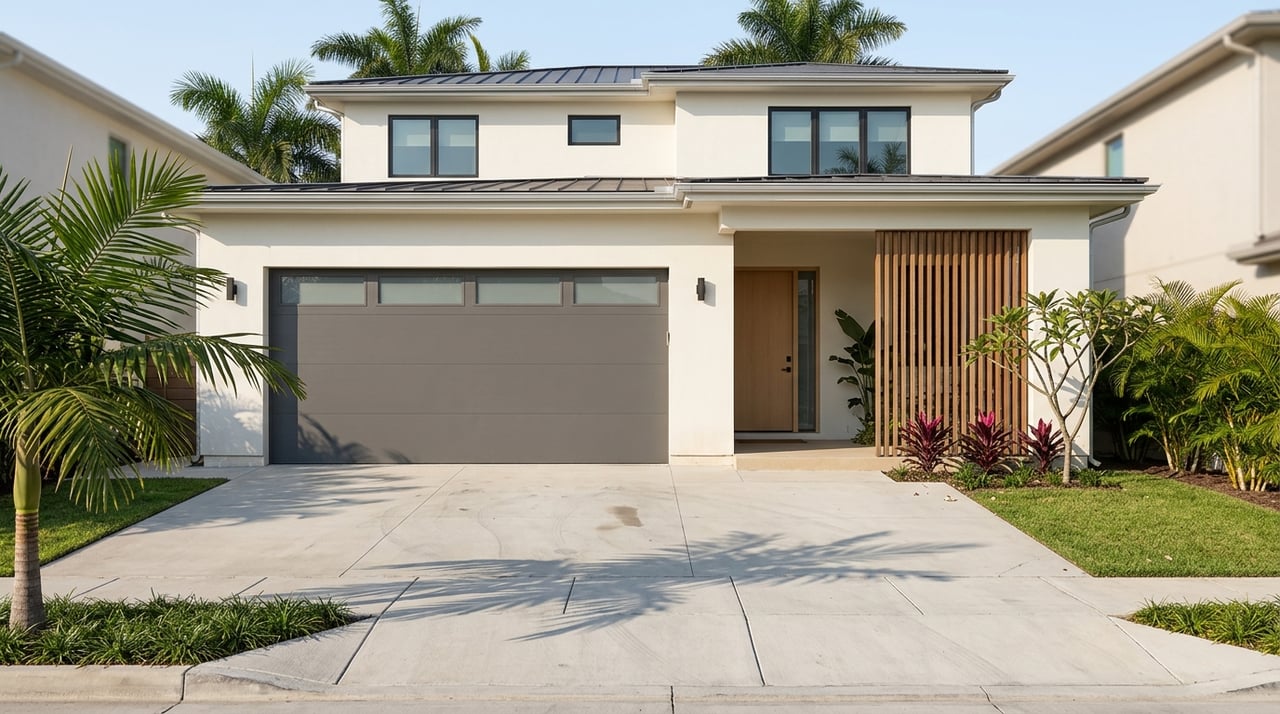
Kapolei Living and Commuting Guide Across Oʻahu
Pedro Garcia July 16, 2026
Pedro Garcia July 16, 2026
If you are thinking about living in Kapolei, one question usually comes up fast: what is daily life really like, and how hard is the commute? That is a smart place to start, especially on Oʻahu, where location shapes everything from your morning routine to your weekend plans. The good news is that Kapolei offers a growing mix of housing, shopping, services, and transportation options that make it one of West Oʻahu’s most practical places to call home. Let’s dive in.
Kapolei is not just another suburban area on Oʻahu. City and state planning materials treat it as Oʻahu’s secondary urban center, with long-term growth directed toward Kapolei, Ko Olina, Kalaeloa, and nearby West Oʻahu communities.
That planning focus helps explain why Kapolei feels more complete than a single-purpose bedroom community. You have residential neighborhoods, civic services, retail centers, nearby higher education, and improving transit connections all in the same broader area.
Kapolei is also still growing. American Community Survey 2024 5-year data show 22,232 residents, 6,906 households, and an average of 3.2 persons per household. The same data show a median age of 35.3, with 26.2% of residents under age 18.
For buyers, that growth matters because it shapes both housing choices and long-term convenience. For sellers, it helps explain why Kapolei remains an area many Oʻahu buyers continue to watch closely.
Day to day, Kapolei is built around convenience. Instead of a dense urban core where everything is within a few blocks, you will find major retail, service, and civic destinations grouped in practical hubs.
Kapolei Commons is one of the best examples. The center spans about 500,000 square feet and includes major stores, restaurants, service businesses, and a movie theater, which makes routine errands easier to stack into one trip.
Ka Makana Aliʻi adds another major activity center in the area. It includes more than 100 stores and restaurants, a theater, a hotel, and expanded retail and medical uses through The Grove.
That means daily life in Kapolei often feels efficient. You may drive between stops, but many of the basics you need for shopping, dining, entertainment, and services are close together.
One of Kapolei’s practical strengths is that it is more than just a place to sleep at night. It also has useful public services that can save you time.
Kapolei Satellite City Hall offers motor vehicle registration, passport applications, real property tax services, and HOLO card services. For residents, that can make routine administrative tasks easier without needing to head elsewhere on the island.
UH West Oʻahu is also located in Kapolei. The campus is a four-year Indigenous-serving institution with 46 academic concentrations in 9 degree programs and 16 certificates, adding another layer of everyday utility to the area.
One of the biggest sources of confusion for buyers is that these nearby areas are often discussed as if they are the same place. They are connected, but they serve different roles.
Kapolei proper is the civic and residential core. This is where you find much of the established master-planned development, public services, shopping, and the everyday residential feel many buyers picture when they talk about living in Kapolei.
East Kapolei is more closely tied to transit-oriented development and Skyline station access. If commuting options matter to you, this is the part of the area worth watching carefully.
The city’s planning for East Kapolei centers on multimodal access. That includes a bus transit center, park-and-ride facilities, and connections for bus, walking, bicycling, and shared-use travel around Kualakaʻi.
Ko Olina is the nearby resort-coast option, not the same thing as living in Kapolei proper. It is known for its lagoons and resort environment, and while the lagoons are privately owned, pedestrian access and daily public parking are permitted.
For many Kapolei residents, Ko Olina functions more like an easy nearby leisure destination than a neighborhood center. It can be part of your weekend routine without being part of your daily commute pattern.
A lot of people assume Kapolei housing means one type of planned suburban home. In reality, the housing mix is much broader.
State housing materials describe projects in and around Kapolei that include for-sale development, affordable rentals, senior housing, and Native Hawaiian homestead projects. That broader mix reflects how the area has been planned and expanded over time.
The Villages of Kapolei was master-developed across 888 acres to provide thousands of homes. Kapolei Village III is described by HHFDC as an integral phase of that larger development and part of the effort to expand homeownership opportunities in Oʻahu’s Second City.
That history matters because it helps explain why Kapolei has a more layered housing story than many newer communities. It was planned to support long-term growth, not just short-term construction.
Kapolei also includes several affordable rental communities. Parkway Village at Kapolei offers studio through four-bedroom apartments for households earning 30% to 60% of area median income.
Kapolei Hoʻolimalima is another affordable rental community in the Villages of Kapolei. Nearby, Kulana Hale at Kapolei includes a 154-unit senior project, with later phases adding family units and commercial or retail space, while Kulia @ Hoʻopili in East Kapolei offers one- to three-bedroom layouts.
For eligible homestead buyers, DHHL’s current Kapolei-area projects include Village 8, expected to produce about 50 single-family homes next to Kapolei High School. DHHL also identifies Kaupeʻa and Kaʻuluokahaʻi, which are expected to provide about 60 lots and 420 lots in Phase 1.
If you are trying to understand your options in West Oʻahu, this range is important. Kapolei is not one-note.
The short answer is this: commuting from Kapolei is improving, but it still depends a lot on where you work and how you prefer to travel.
American Community Survey data show a mean travel time to work of 31.2 minutes for Kapolei residents. That is longer than the Urban Honolulu metro average of 26.7 minutes and the Hawaiʻi average of 26.2 minutes.
That number supports what many residents already know from experience. Kapolei can offer more space and convenience in daily living, but your work location will strongly affect whether the tradeoff feels easy, balanced, or demanding.
Transit is more useful in Kapolei than it used to be. The city identifies Kualakaʻi, East Kapolei and Keoneʻae, UH West Oʻahu as Skyline stations, and East Kapolei planning includes bus connections and park-and-ride access.
In October 2025, the City and County of Honolulu changed bus service to align with Skyline Segment 2. City service materials say the W Line and Skyline now serve the Honolulu Airport, while the A and U lines connect Āhua Lagoon Drive Station with UH Mānoa.
That is meaningful progress for riders who want more options for airport access and east Oʻahu connections. At the same time, the next Skyline segment toward downtown remains future work, so a downtown Honolulu commute still generally depends on a transfer or a car-based trip.
Kapolei commuting is not just a neighborhood question. It is really an island mobility question.
Honolulu transportation planners note that commuters include people traveling to major employment hubs and people working non-traditional hours across Oʻahu. That means your commute may look very different depending on whether you work in town, near the airport, in Central Oʻahu, or in West Oʻahu itself.
If you are comparing Kapolei with other parts of Oʻahu, it helps to think in terms of your actual weekly pattern. Ask yourself where you need to be most often, what time you travel, and whether you want to rely on driving, transit, or a mix of both.
Kapolei can work well for buyers who want a more organized, convenience-focused lifestyle in West Oʻahu. If you like having shopping, services, civic resources, and newer planned development all within your regular orbit, the area has a lot to offer.
It can also appeal to military households, first-time buyers, and move-up buyers who want to compare commute tradeoffs against housing type and daily convenience. Because the housing stock includes condos, townhomes, single-family homes, and specialized housing communities in the broader area, your search does not have to start from a narrow assumption.
For sellers, Kapolei’s growth story and broad buyer appeal can create real opportunity. Buyers are often drawn to the area because they already understand the value of West Oʻahu convenience, planned neighborhoods, and access to major retail and transportation routes.
Before you buy or sell in Kapolei, keep these points in mind:
If you want help sorting through West Oʻahu options, local guidance matters. A clear plan can save you time and help you choose a home that fits both your lifestyle and your commute.
Whether you are relocating to Oʻahu, buying your first home, or preparing to sell in Kapolei, working with a team that understands the area can make the process a lot smoother. When you are ready for practical, service-first guidance, connect with Hawaiʻi Homefront.
Stay up to date on the latest real estate trends.
The Hawai’i Homefront provides expert real estate guidance across Honolulu, helping buyers and sellers navigate the market with confidence, clarity, and local insight.
HAWAI'I HOMEFRONT
4211 Waialae Ave Ste 100 Honolulu, HI 96816