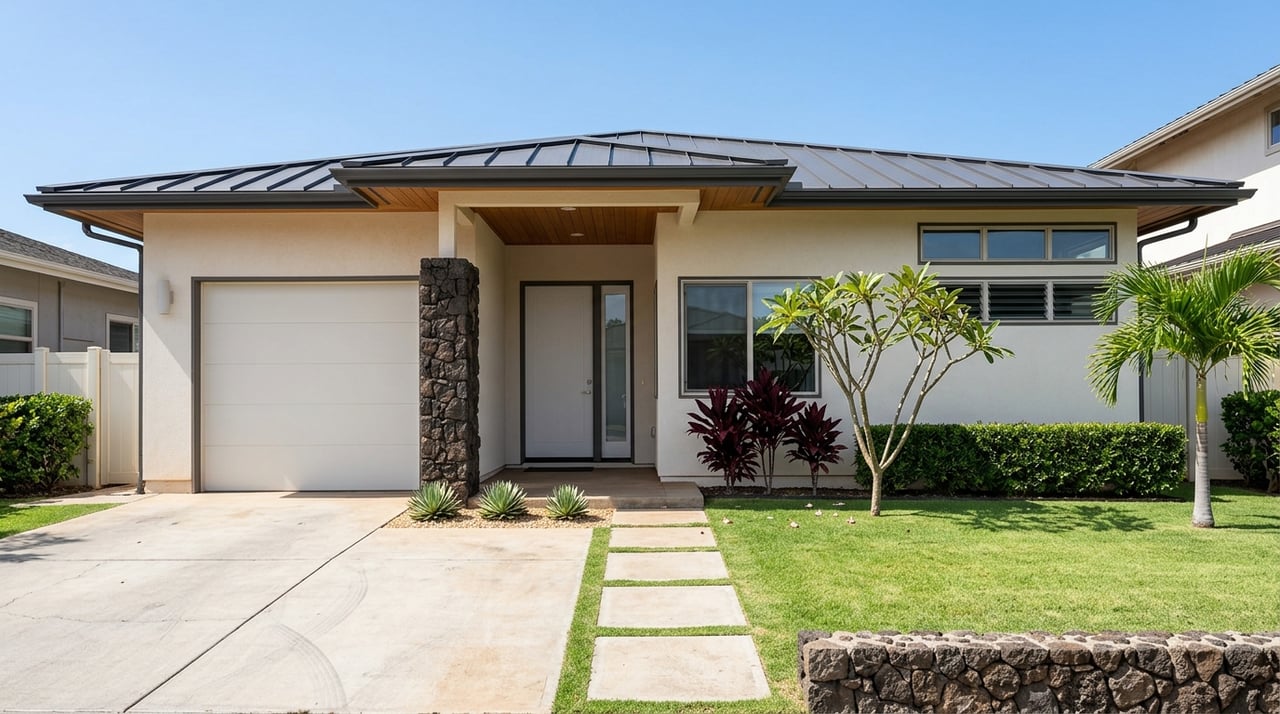
Pearl City vs Honolulu Homes: How to Choose the Right Fit
Pedro Garcia June 4, 2026
Pedro Garcia June 4, 2026
Trying to choose between Pearl City and Honolulu? You are not alone. Many Oʻahu buyers weigh the same question: do you want more space and a more detached-home feel, or do you want a more urban setup with easier walkability and transit access? The good news is that both areas offer strong options, and the right fit usually comes down to how you live day to day. Let’s dive in.
If you are deciding between Pearl City and Honolulu homes, the biggest difference is often home type and daily rhythm.
Pearl City leans more suburban in its housing mix. Current Census data shows 78% of housing structures are single-unit, and 71.5% of homes are owner-occupied. That points to a market where detached homes play a much larger role in the overall housing stock.
Honolulu, using Urban Honolulu as the urban-core comparison, looks very different. Census data shows 66% multi-unit structures and 48.9% owner-occupied housing. In practical terms, that means condos and apartments shape much more of the housing landscape there.
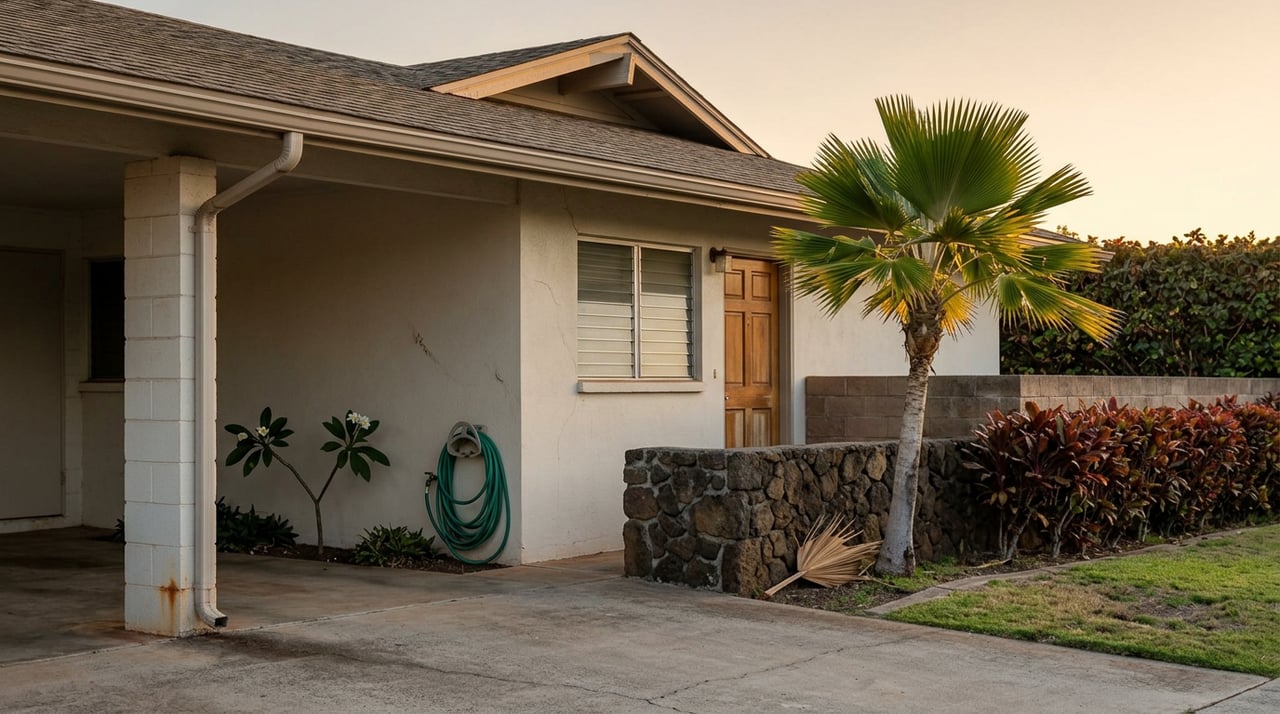
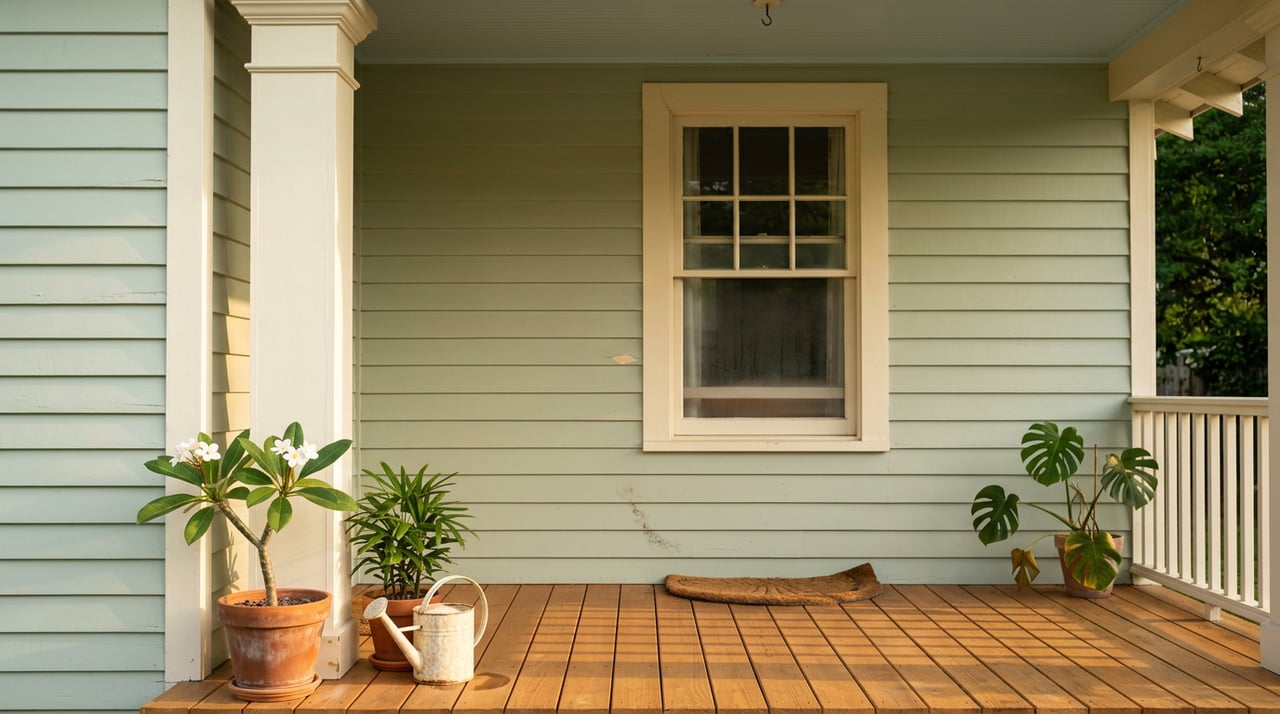
If your wish list includes a yard, more separation from neighbors, or a layout that feels more like a traditional single-family home, Pearl City may feel like a more natural match. Its housing stock is much more weighted toward single-unit properties than Honolulu.
That does not mean every home in Pearl City is the same. But overall, the data supports the idea that buyers looking for detached-home options may find a stronger fit there.
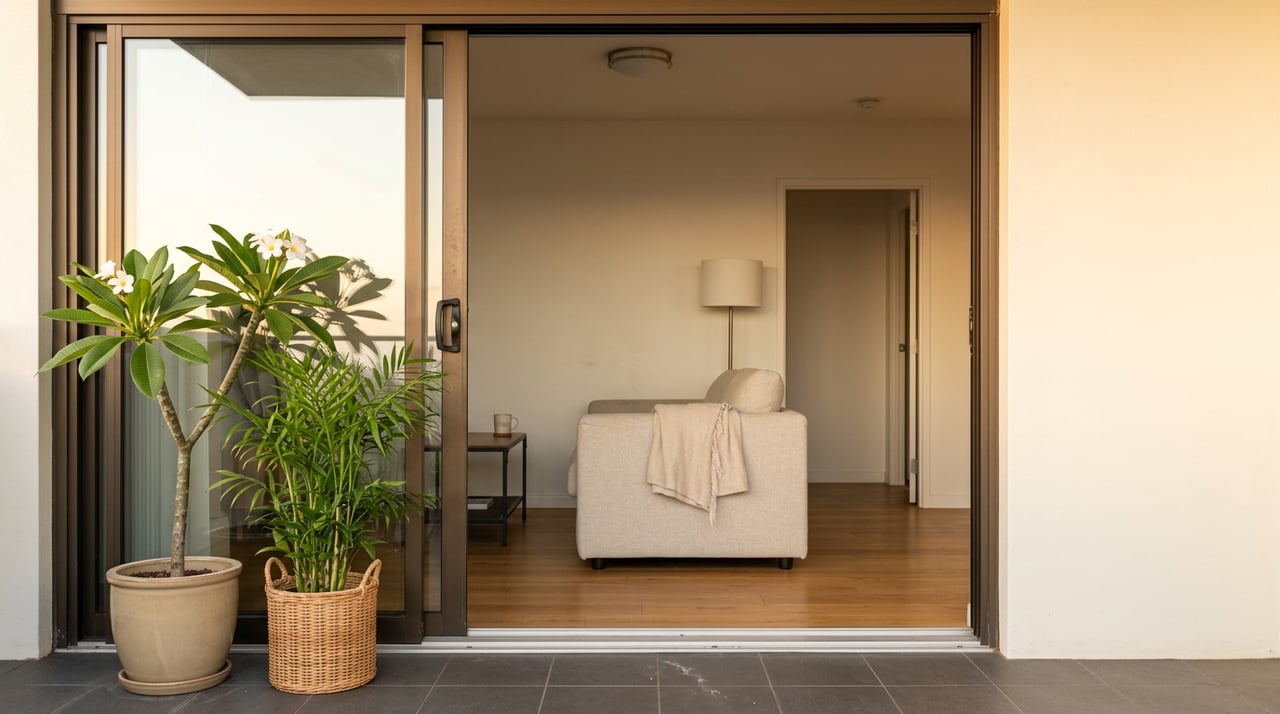
Honolulu offers a much more multi-unit housing environment. If you are comfortable with condo living, smaller footprints, or a property type that supports a more urban lifestyle, Honolulu may open up more choices.
This can be especially relevant if your priority is access and convenience over lot size. For many buyers, the tradeoff is simple: less private outdoor space, but more city-style accessibility.
At first glance, Honolulu may look more affordable based on recent sale prices. Through April 2026, Redfin reports a median sale price of $849,561 in Pearl City and $569,706 in Honolulu.
That gap is real, but it needs context. Honolulu has a much heavier condo and multi-unit mix, which can pull the recent transaction median down compared with an area that has more detached homes selling.
Census measures of owner-occupied home value show both places remain expensive by national standards. Pearl City’s median owner-occupied value is listed at $901,500, while Urban Honolulu’s is $843,400.
So if you are comparing the two, it helps to avoid a simple apples-to-apples assumption. A lower recent median sale price in Honolulu does not automatically mean all home options there are less valuable. It often reflects the types of homes being sold.
Another difference is how quickly homes are moving. As of April 2026, Redfin shows Pearl City at an average of 90.5 days on market, compared with 101 days in Honolulu.
Neither market reads as especially fast right now. Redfin scores Pearl City as somewhat competitive, with a competitiveness score of 41, while Honolulu is listed as not very competitive, with a score of 21.
If you are buying, both areas may offer room to be thoughtful rather than rushed. If you are selling, preparation and pricing strategy matter, especially when homes are not flying off the market.
That is one reason a clear plan can make a real difference. When you understand the local pace, you can make better decisions about timing, expectations, and negotiation.
The choice between Pearl City and Honolulu is not just about the home itself. It is also about how you move through your week.
Census QuickFacts lists the mean travel time to work at 26.6 minutes in Pearl City and 21.9 minutes in Urban Honolulu. That may not sound like a huge gap, but your daily experience can feel very different depending on where you live and how you prefer to get around.
Pearl City’s mobility scores reflect a more car-dependent pattern. Redfin reports a walk score of 27, transit score of 36, and bike score of 22.
That does not mean transit is absent. TheBus route materials show service to Pearl City and Aiea Skyline stations, which adds useful options for some commuters and households.
Honolulu scores much higher for walkability and transit. Redfin reports a walk score of 66, transit score of 56, and bike score of 51.
TheBus materials also show denser street-level bus corridors in the urban core, and the A Line links Ahua Lagoon Drive Station with Chinatown, Downtown Honolulu, and UH Manoa. If you want the option to rely less on a car, Honolulu has the clearer edge.
For many buyers, this decision comes down to a simple question: do you want more home, or more access?
Pearl City tends to fit buyers who want a more suburban residential pattern, stronger owner-occupancy, and a housing mix built more around detached homes. Honolulu tends to fit buyers who prioritize condos or other multi-unit homes, walkability, transit access, and shorter in-city commute times.
Neither choice is better across the board. The better choice is the one that matches your routine, budget, and comfort with tradeoffs.
If you are still unsure, it helps to evaluate your decision through a few practical filters.
Online research helps, but seeing both areas in context matters. The same budget can translate into very different home types, commute patterns, and day-to-day routines between Pearl City and Honolulu.
If you are relocating from the mainland, moving on a military timeline, or buying your first place on Oʻahu, that side-by-side comparison becomes even more important. A calm, local perspective can help you narrow the choice faster and with more confidence.
Whether you are looking for a condo in town or a detached home with a more suburban feel, the goal is the same: find the place that supports your life, not just your search criteria. When you are ready for clear, no-pressure guidance, Hawai‘i Homefront can help you compare your options and move forward with a plan.
Stay up to date on the latest real estate trends.
The Hawai’i Homefront provides expert real estate guidance across Honolulu, helping buyers and sellers navigate the market with confidence, clarity, and local insight.
HAWAI'I HOMEFRONT
4211 Waialae Ave Ste 100 Honolulu, HI 96816