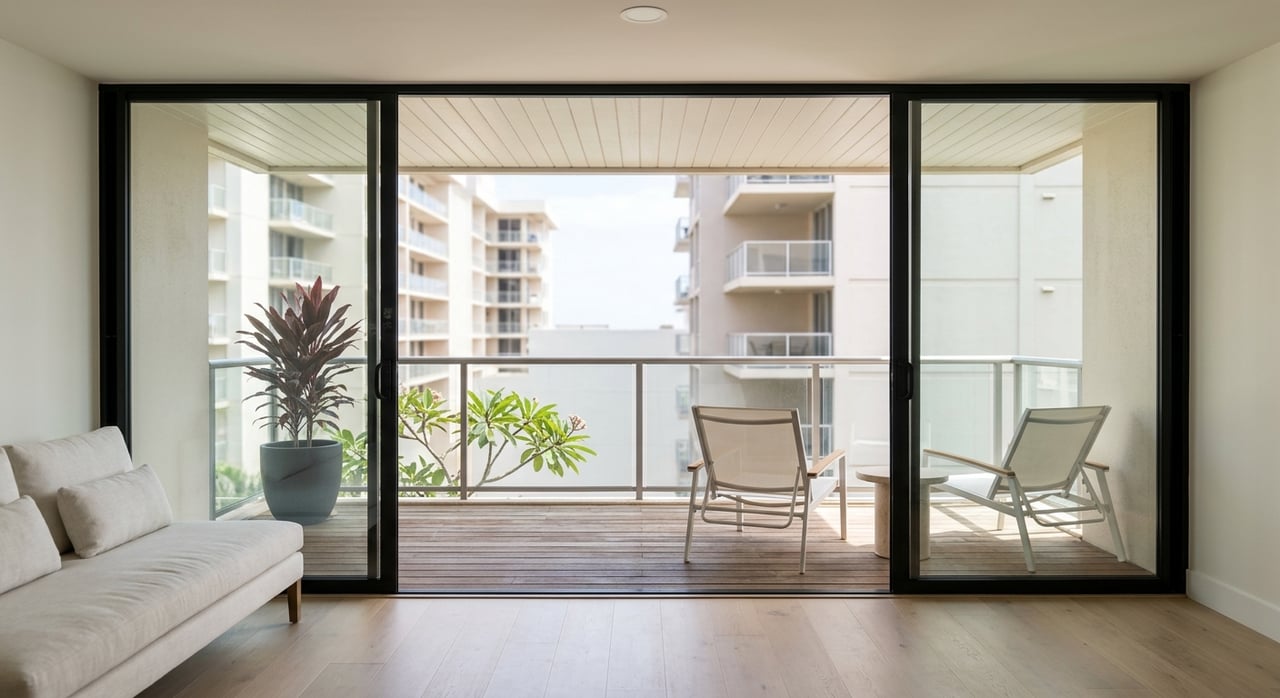
What Honolulu VA Condo Buyers Should Check First
Pedro Garcia May 28, 2026
Pedro Garcia May 28, 2026
Buying a condo in Honolulu with a VA loan can be a smart move, but it is rarely as simple as picking a unit and writing an offer. Between building approval, HOA finances, insurance questions, and Honolulu’s wide range of price points, you need more than a basic home search. If you want a clear path forward, this guide will show you what matters most and how to shop with confidence. Let’s dive in.
Honolulu condo prices can vary a lot depending on where you look. Recent Oʻahu market reports showed condo median sales prices at $529,000 in January 2026, $510,000 in March, and $500,000 in April, with active inventory ranging from 2,210 to 2,353 units.
That gives you useful market context, but it does not mean every part of Honolulu is priced the same. Current listing data shows a citywide median listing price of $629,000 for condos, while submarkets differ sharply. Waikiki is around $480,000, Downtown Honolulu about $384,750, McCully-Moiliili about $401,975, and Ala Moana-Kakaako about $840,500.
For you as a VA buyer, that means your budget may open very different options depending on the area and building type. It also means your search should start with both a price range and a realistic monthly payment target.
A VA-backed purchase loan can be used for a condominium, but only if the project is VA-approved. You also still need a valid Certificate of Eligibility, satisfactory credit, enough income to qualify, and you must plan to occupy the home personally.
Your loan is made through a private lender, not directly through the VA. That matters because lender timelines, underwriting, and condo review steps can all affect how quickly you can move.
If you have full entitlement, the VA says there is no loan limit as long as you qualify, can afford the payment, and the appraisal supports the price. If you have used entitlement before, the remaining bonus entitlement ties back to the county loan limit, and for 2026 the one-unit conforming loan limit in Honolulu County is $1,249,125.
VA loans also offer two features many buyers appreciate. In general, you may not need a down payment if the sales price does not exceed appraised value and you qualify, and VA-backed purchase loans do not require monthly mortgage insurance.
A VA funding fee may still apply unless you are exempt. The fee can be financed or paid at closing, so it should be part of your planning from the beginning.
This is one of the most important steps in the whole process. A condo unit may fit your budget perfectly, but if the project is not VA-approved, that can stop your financing path or create delays while you reassess your options.
That is why early condo-project vetting matters. Before you get too attached to a unit, confirm whether the project is approved or still needs to be checked.
For Honolulu buyers, this simple step can save time and stress. It is especially helpful if you are buying on a PCS timeline or trying to compete in a moving market.
The sales price is only part of the picture with a condo. What really matters is your full monthly housing cost after principal, interest, HOA dues, insurance, and any impact from the VA funding fee.
Honolulu has many buildings where HOA dues are a major part of ownership costs. A lower-priced condo with high monthly dues may strain your budget more than a slightly higher-priced unit in a better-funded building.
This is why payment planning should happen before you narrow your search too far. When you know your true comfort range, you can make better decisions about location, building age, and amenities.
In Honolulu, HOA finances deserve real attention. According to Hawaii’s Department of Commerce and Consumer Affairs, condo reserves are regular collections used to pay for large future repairs like roofs and elevators.
When reserves are too low, the building may face deferred maintenance, borrowing, or special assessments. Reserve studies are meant to estimate long-term repair costs and help reduce the risk of sudden large bills to owners.
That means a monthly HOA fee should not be judged by size alone. A fee may support important maintenance, reserve funding, and insurance that protect the building over time.
When you review a condo, ask practical questions like these:
These questions can help you compare buildings more clearly. They can also help you avoid surprises after closing.
Building-level risk has become a bigger issue in Hawaii’s condo market. A May 11, 2026 state release said many associations have had trouble obtaining full hurricane coverage, showing how unstable the condo insurance market has become.
The same state release announced a new Condominium Association Loan Program to help fund repairs and risk-reducing improvements such as fire-safety work, pipe replacement, and roofing. For buyers, that is an important signal that insurance and maintenance conditions are not abstract concerns. They can directly affect long-term ownership costs.
When you are reviewing a Honolulu condo, try to understand whether the building has unresolved insurance issues or signs of deferred maintenance. Those factors may influence affordability, financing, and your comfort level as an owner.
The VA appraisal and home inspection are not the same thing. The appraisal focuses on value and minimum property condition, while the inspection is your opportunity to look for defects and understand the unit’s actual condition.
Both matter, especially in older condo buildings. A clean-looking unit can still sit inside a building with larger maintenance concerns, so it helps to look beyond finishes and staging.
The VA also recommends including the VA escape clause in the purchase contract. That gives you an added layer of protection tied to the appraised value.
One of the biggest mistakes buyers make is treating Honolulu like one uniform condo market. In reality, your options can look very different depending on the neighborhood and building type you target.
If your budget is tighter, areas like Downtown Honolulu and McCully-Moiliili may offer different entry points than Ala Moana-Kakaako. If you want a particular lifestyle, commute pattern, or building style, those preferences may push your search toward a very different price tier.
This is where strategy matters. Instead of asking only, “What condo can I afford?” it helps to ask, “Which Honolulu submarket best fits my budget, monthly payment, and day-to-day routine?”
If you want to keep your search organized, follow a clear sequence from the start. That makes it easier to move quickly when the right condo appears.
Start with VA preapproval so you understand your likely price range and payment framework. This gives you a practical search window before you spend time on listings that do not fit.
Estimate your full monthly housing cost, including mortgage payment, HOA dues, insurance, and the VA funding fee if it applies. This helps you shop based on real affordability, not just sticker price.
Check whether the project is VA-approved before writing an offer when possible. This can save you from delays and help you stay focused on viable options.
Look at reserves, reserve studies, special assessment history, and signs of deferred maintenance. In Honolulu, building quality and financial health are just as important as the unit itself.
Compare submarkets based on budget, commute, and property type. A condo that works on paper still needs to support the way you actually live.
Remember that the VA appraisal is not a substitute for an inspection. Use your due diligence period carefully and make sure the contract includes the VA escape clause.
If you are active-duty, separating, retiring, or relocating to Oʻahu, condo buying can come with extra pressure. You may be balancing deadlines, remote decision-making, and a fast learning curve in a market that works differently from the mainland.
That is why a steady process matters so much. VA financing can absolutely work for Honolulu condos, but the strongest results usually come from pairing VA preapproval with early project vetting and a careful review of HOA financial health.
With the right guidance, you can avoid common pitfalls and focus on condos that truly fit your goals. If you want experienced, veteran-led support as you plan your Honolulu move or condo search, Hawai‘i Homefront is here to help.
Stay up to date on the latest real estate trends.



The Hawai’i Homefront provides expert real estate guidance across Honolulu, helping buyers and sellers navigate the market with confidence, clarity, and local insight.

HAWAI'I HOMEFRONT
4211 Waialae Ave Ste 100 Honolulu, HI 96816