Mililani Home Selling And Preparation Roadmap
Pedro Garcia July 9, 2026
Pedro Garcia July 9, 2026
Thinking about selling your Mililani home soon? The biggest mistake many sellers make is listing before the home, paperwork, and timing are truly ready. If you want a smoother sale, stronger first impressions, and a plan that fits Mililani’s unique association-driven setting, this roadmap will help you focus on what matters most. Let’s dive in.
Mililani is not a one-size-fits-all market. It is a large master-planned community with more than 15,000 homes across Mililani Town and Mililani Mauka, and those areas can behave differently depending on property type, condition, and price point.
That matters when you sell. Recent market snapshots show different price levels and days on market depending on how Mililani is measured, which is a good reminder that your home should be evaluated within its own micro-market, not with a broad average alone.
Mililani also sits within a community structure where exterior appearance and visible changes can involve association rules. In practice, that means your selling plan should include both presentation and compliance from the start.
Before you paint a wall or schedule photos, take a clear look at your home’s current condition. Your goal is to separate easy cosmetic fixes from larger projects that may involve permits, licensed contractors, or more time than you expected.
Walk through the home as if you were seeing it for the first time. Make note of worn flooring, chipped paint, loose fixtures, stained grout, overgrown landscaping, and anything that may distract buyers during showings.
If you are considering bigger work, check the scope carefully. The City and County of Honolulu says permit needs depend on the work involved, additions require permits, and electrical and plumbing work must be handled by Hawaii-licensed contractors.
Permit timing can also vary based on project size, drawing quality, code compliance, backlog, and outside approvals. That is why it helps to begin preparation as early as possible, especially if your ideal listing date is tied to a move, job transfer, or off-island schedule.
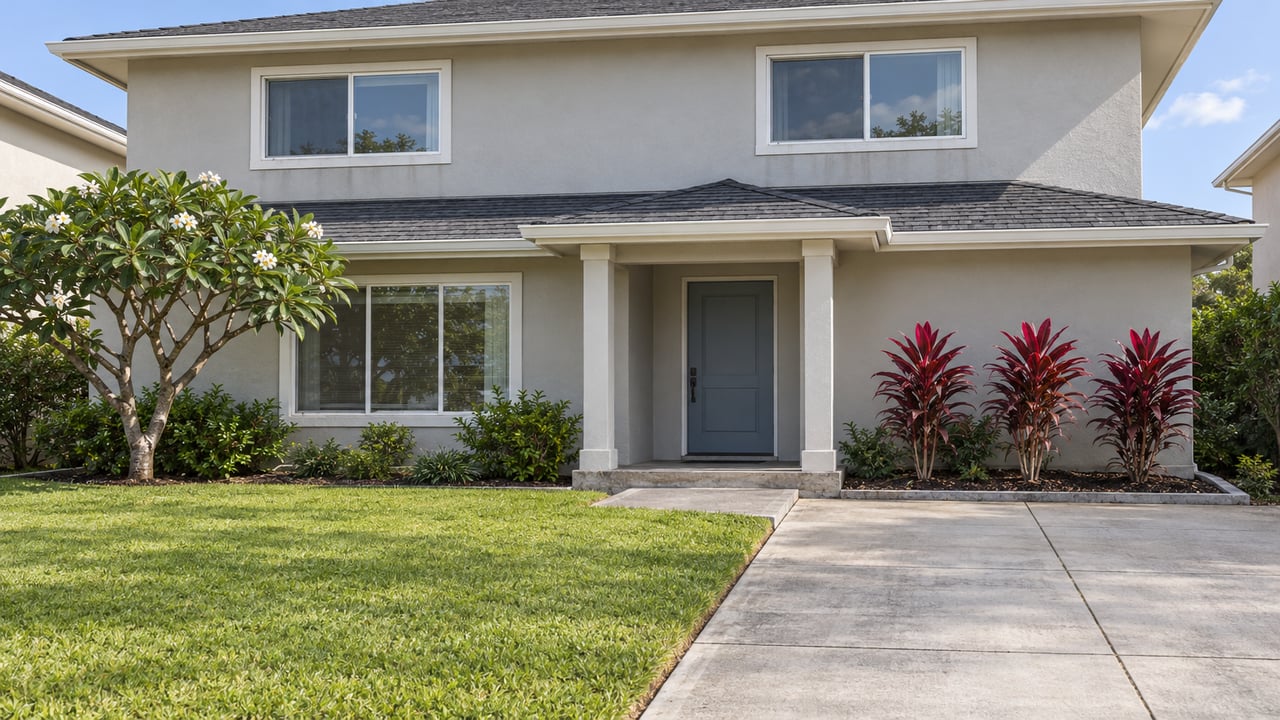
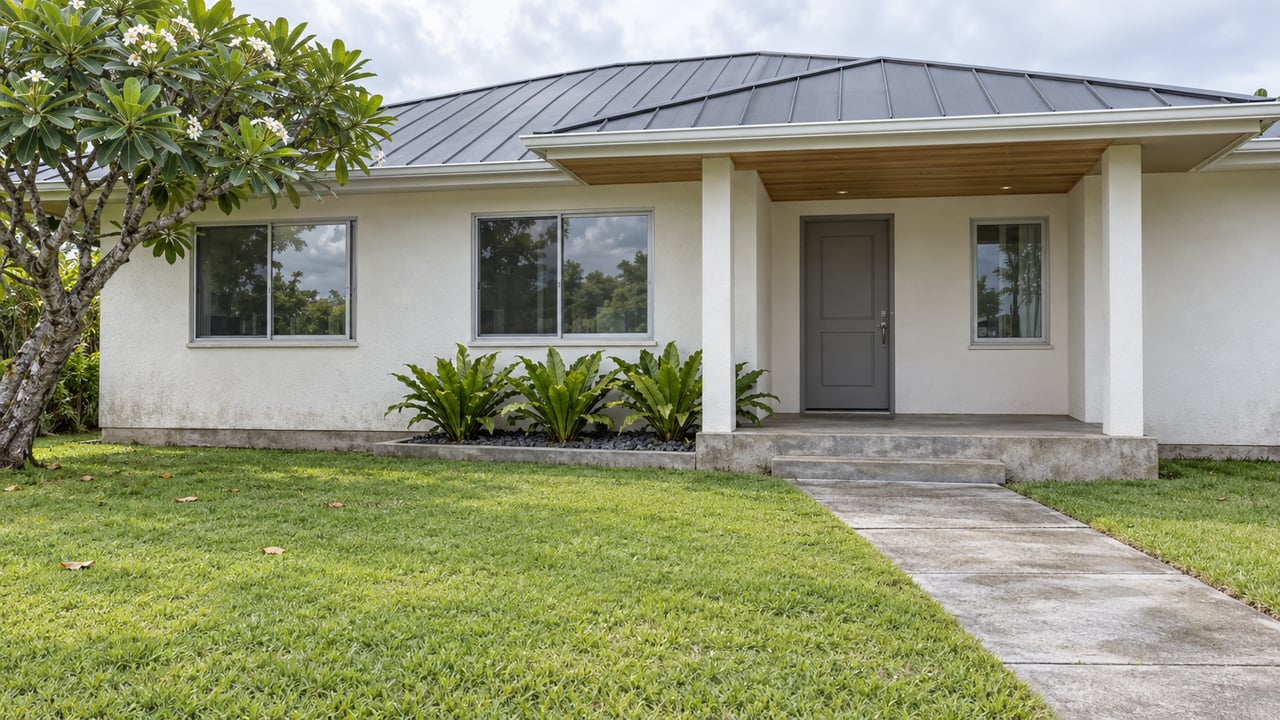
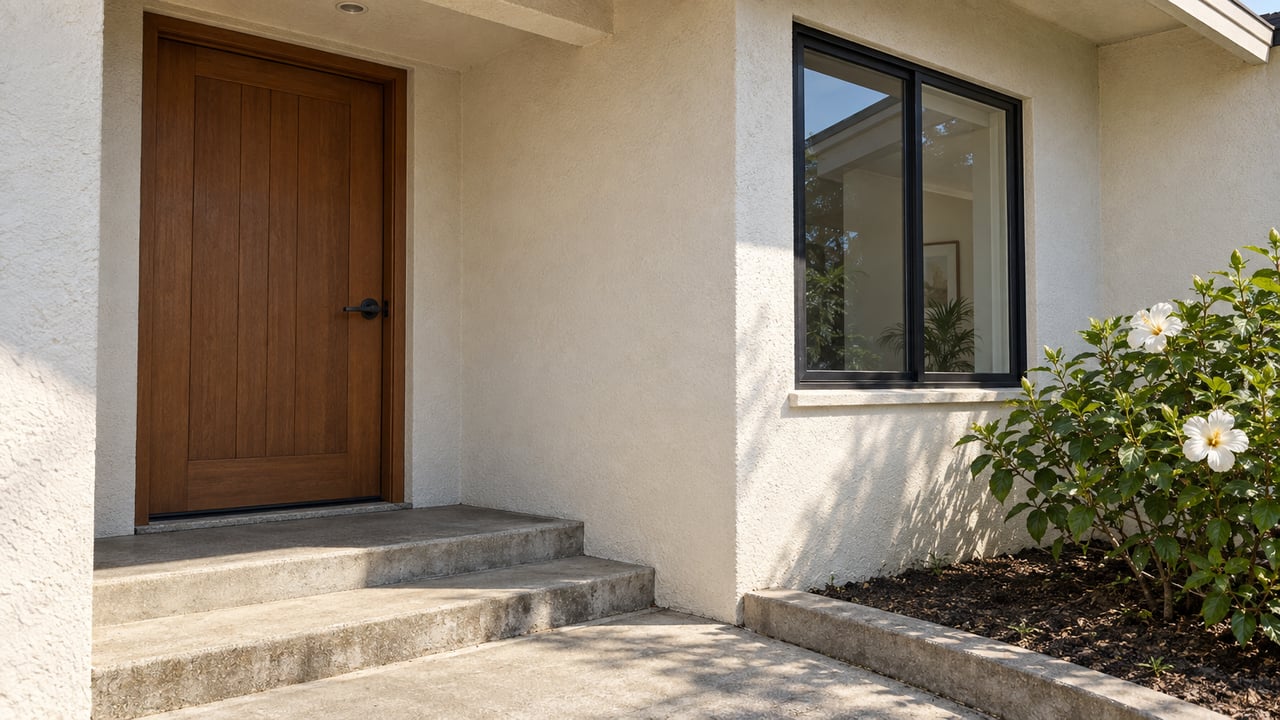
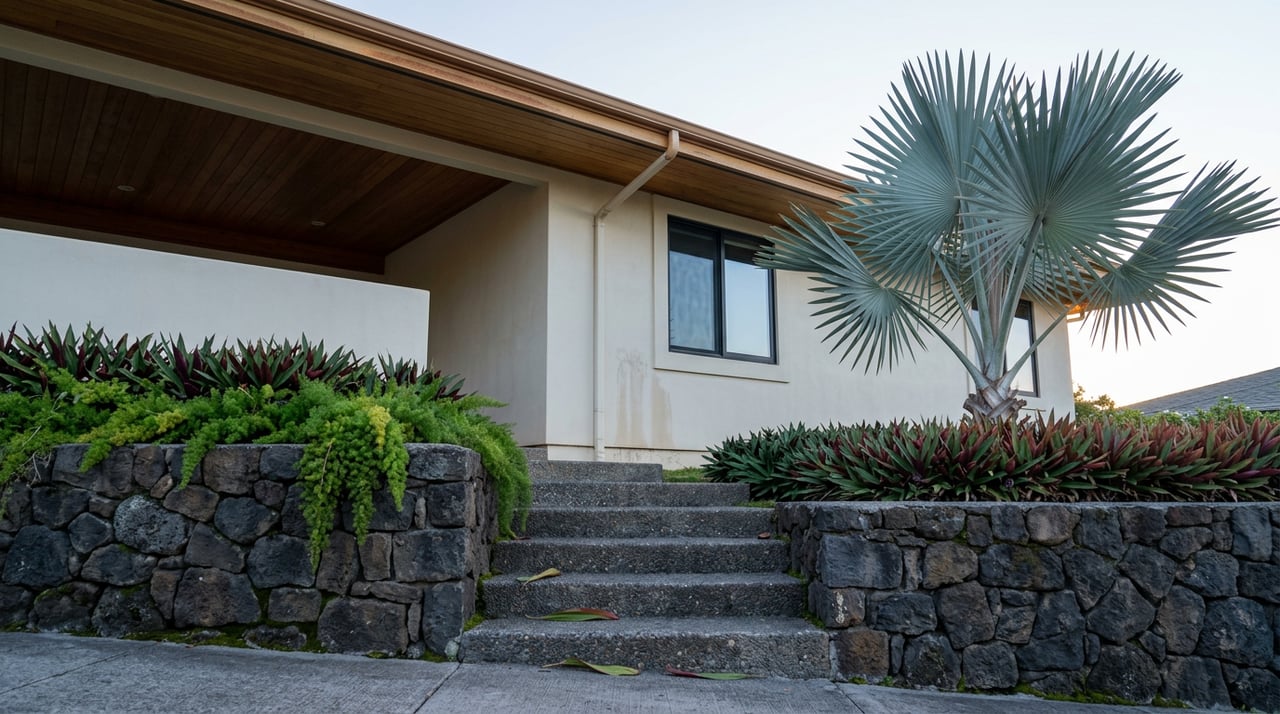
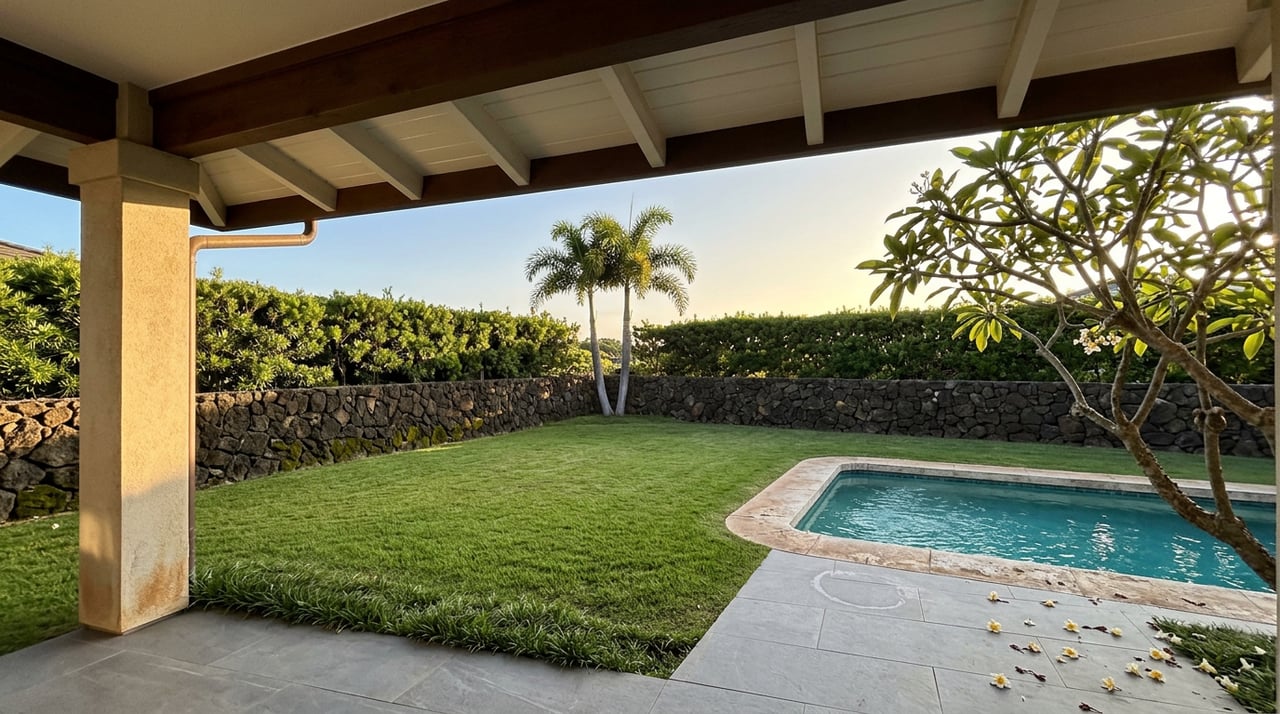
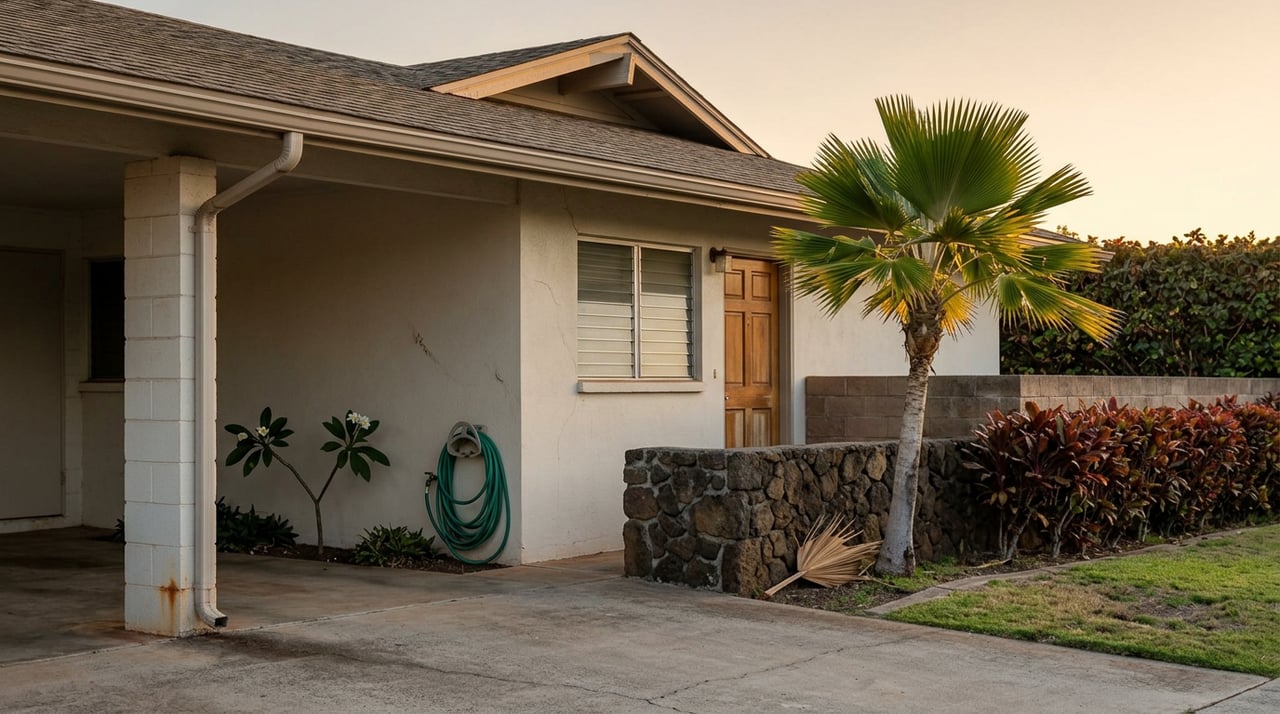
In Mililani, curb appeal is not only about marketing. It can also involve community rules.
The Mililani Town Association oversees matters such as landscaping, covenant enforcement, and design approval. Its design rules say visible and substantial exterior modifications generally require Design Committee approval.
That means exterior prep should be handled thoughtfully. If you plan to repaint, replace visible features, update fencing, or make other noticeable changes, it is smart to review whether approval may be needed before the work begins.
This step can help you avoid delays later. It also supports a cleaner, more confident listing launch when your home is both attractive and aligned with community requirements.
Not every project adds the same value to your sale process. In many cases, the best return comes from improvements that make the home feel clean, cared for, and easy to picture living in.
The strongest prep categories supported by the research are:
These improvements tend to create less friction than major reconstruction. They also help buyers focus on the home itself instead of on a to-do list.
For sellers who want help managing preparation costs, Hawaiʻi Homefront can guide you through seller-prep strategies that may include Compass Concierge. That program can front the cost of eligible services, with payment due at closing, subject to program terms.
Once your home is repaired and refreshed, presentation becomes the next priority. Buyers often make quick judgments based on how a space looks, feels, and flows from room to room.
Research on home staging found that 29% of agents said staging led to a 1% to 10% increase in the dollar value offered. The same report found that 49% of sellers’ agents said staging reduced time on market.
That does not mean every home needs a full designer installation. It does mean you should be intentional about the spaces buyers notice most.
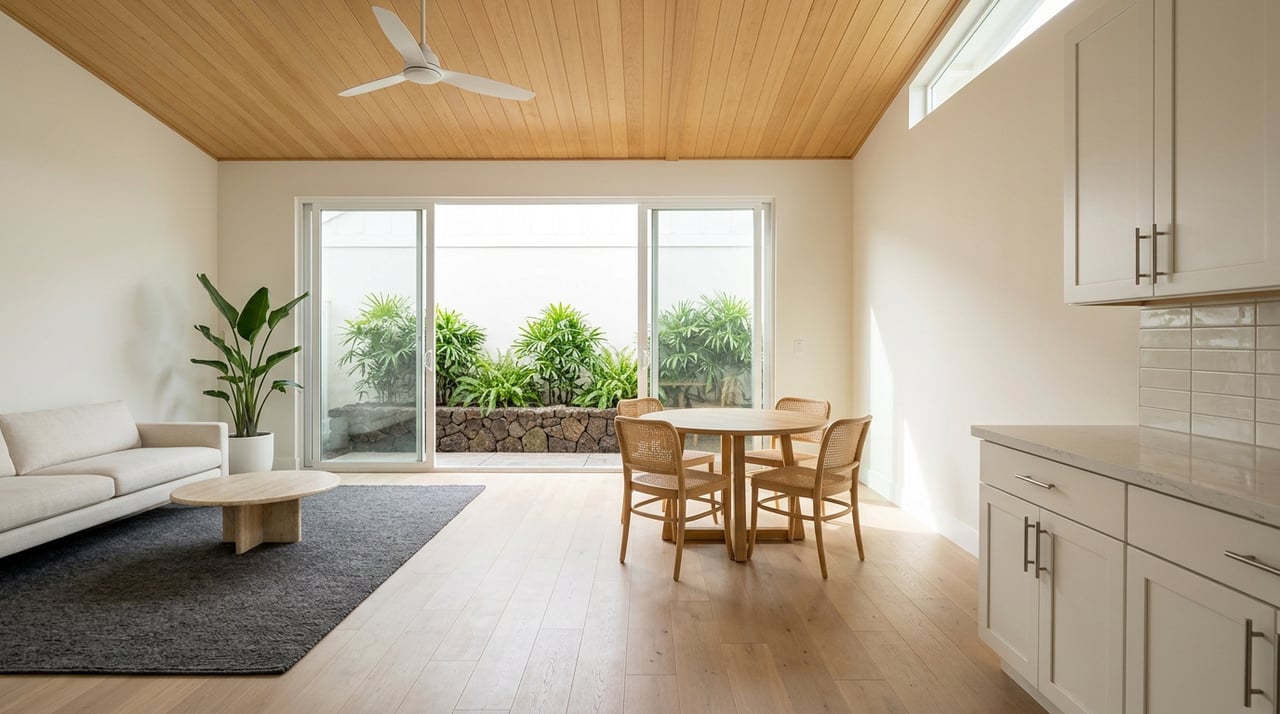
Your living room often sets the tone for the entire showing. Keep furniture arranged to show space clearly, reduce visual clutter, and make sure lighting feels bright and welcoming.
If the room feels crowded, remove extra pieces. A simpler layout can make the room feel larger and easier to understand.
The primary bedroom should feel calm, open, and restful. Neutral bedding, clean surfaces, and minimal personal items can help buyers focus on the room’s size and natural light.
This is also a space where deferred maintenance stands out. Touch-up paint, clean flooring, and neat closets can make a meaningful difference.
Kitchens do not always need a full renovation to show well. Clear counters, polished surfaces, working lights, and fresh paint can go a long way.
If cabinet hardware is dated or worn, a simple update may help. The goal is to present the kitchen as functional, clean, and move-in ready.
One of the most important parts of a Mililani home selling roadmap is avoiding broad assumptions. Mililani includes different home types and pricing bands, so a condo, townhome, and single-family home should not be treated the same way.
Oʻahu-wide market data shows this clearly. In May 2026, single-family homes on Oʻahu sold in a median 13 days, while condos took a median 43 days. A higher share of single-family homes also closed above original asking price.
That does not tell you exactly how your Mililani home will perform, but it does reinforce the need for property-specific pricing and positioning. Condition, comparable sales, and buyer expectations all matter.
It can be tempting to list quickly and fix details later. In a more selective market, that approach can work against you.
The Honolulu Board of REALTORS reported softer sales conditions in April 2026, with buyers becoming more selective and pricing needing to align more closely with expectations. That supports a prep-first strategy, especially when your home needs repairs, cleaning, or staging.
A more thoughtful launch can help you make a stronger first impression. It also gives you a better chance to enter the market with confidence instead of chasing the market after the fact.
If you need a little more time before going fully public, pre-launch marketing may be worth discussing. Compass marketing options such as Private Exclusives and Coming Soon can help create early interest before a full public launch.
These tools are best viewed as strategic options, not guarantees. They can be especially useful when you want to coordinate preparation, protect your public days on market, or build momentum before listing widely.
Selling in Hawaiʻi also means keeping an eye on required paperwork. The state’s seller disclosure law requires a disclosure statement to be signed within six months before or ten calendar days after acceptance of a purchase contract and delivered to the buyer.
If your property is subject to a recorded declaration, the seller must also provide association documents such as bylaws, declaration, and rules related to common areas, architectural control, maintenance, and assessments. In Mililani, that can be especially relevant because many properties operate within an association framework.
This is another reason to start early. Gathering documents ahead of time can reduce stress and help keep your timeline on track.
If you want a clear path, this is a practical order to follow:
A calm, organized process often leads to better decisions. It also helps you avoid spending money in the wrong places.
If you are selling from off-island, on a relocation timeline, or simply want a clearer plan, working with a local team can make the process easier to manage. When you are ready to map out your next steps, connect with Hawaiʻi Homefront for practical, full-service guidance tailored to your Mililani sale.
Stay up to date on the latest real estate trends.
The Hawai’i Homefront provides expert real estate guidance across Honolulu, helping buyers and sellers navigate the market with confidence, clarity, and local insight.

HAWAI'I HOMEFRONT
4211 Waialae Ave Ste 100 Honolulu, HI 96816