Waianae Coastal Living Homes and Buyer Tradeoffs
Pedro Garcia June 25, 2026
Pedro Garcia June 25, 2026
If you are looking for a part of Oʻahu where ocean access, neighborhood stability, and more home space come together, Waianae deserves a closer look. For many buyers, this area stands out because it offers a different pace and price point than some other parts of Honolulu County, while still keeping the coast close to everyday life. In this guide, you will get a clear picture of Waianae’s lifestyle, housing options, and the practical tradeoffs to weigh before you buy. Let’s dive in.
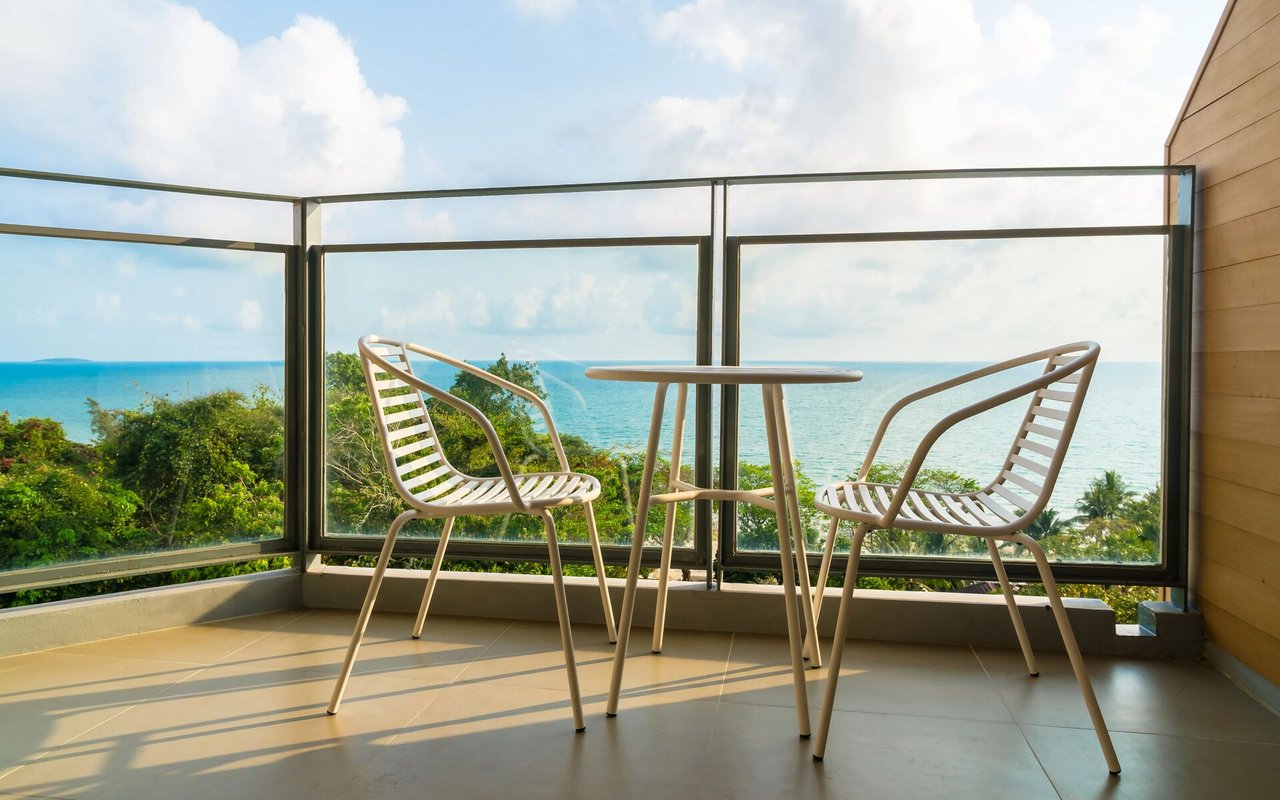
Waianae has a strong coastal identity that shapes daily life. On the west side of Oʻahu, it offers direct access to beaches, boating, fishing, and ocean views that many buyers picture when they think about living in Hawaiʻi.
It is also a relatively compact community. Census Reporter’s ACS 2024 profile lists 12,918 residents across 5.4 square miles, with 3,446 households and an average household size of 3.6 people. That data suggests a more space-oriented feel compared with denser, more vertical parts of the island.
Another sign of stability is how long people tend to stay. Current census data show that 89.5% of residents lived in the same house one year ago, which points to a fairly settled residential base.
Life in Waianae often centers on the shoreline. If you enjoy being near the water, this area offers practical access to ocean recreation instead of just scenic views from a distance.
The Waianae Small Boat Harbor is a good example. It includes 109 berths, 7 ramps, vessel washdown, a fish hoist, pumpout, restrooms, and an ice house and convenience store. That kind of infrastructure supports a boating- and fishing-friendly lifestyle that is part of the area’s character.
West-side beach access is another major draw. Hawaii Ocean Safety lists several lifeguarded beaches in the broader area, including Keawaula, Makaha, Maili, Depots, and Nanakuli. For many buyers, that means beachgoing, surfing, and shoreline time can be part of regular life, not just a weekend plan.
The climate also matters. The University of Hawaiʻi Rainfall Atlas notes that low rainfall prevails in leeward lowlands, with a distinct rainfall pattern in leeward coastal areas. In practical terms, Waianae’s leeward setting is part of why buyers often associate the area with sunnier, drier conditions.
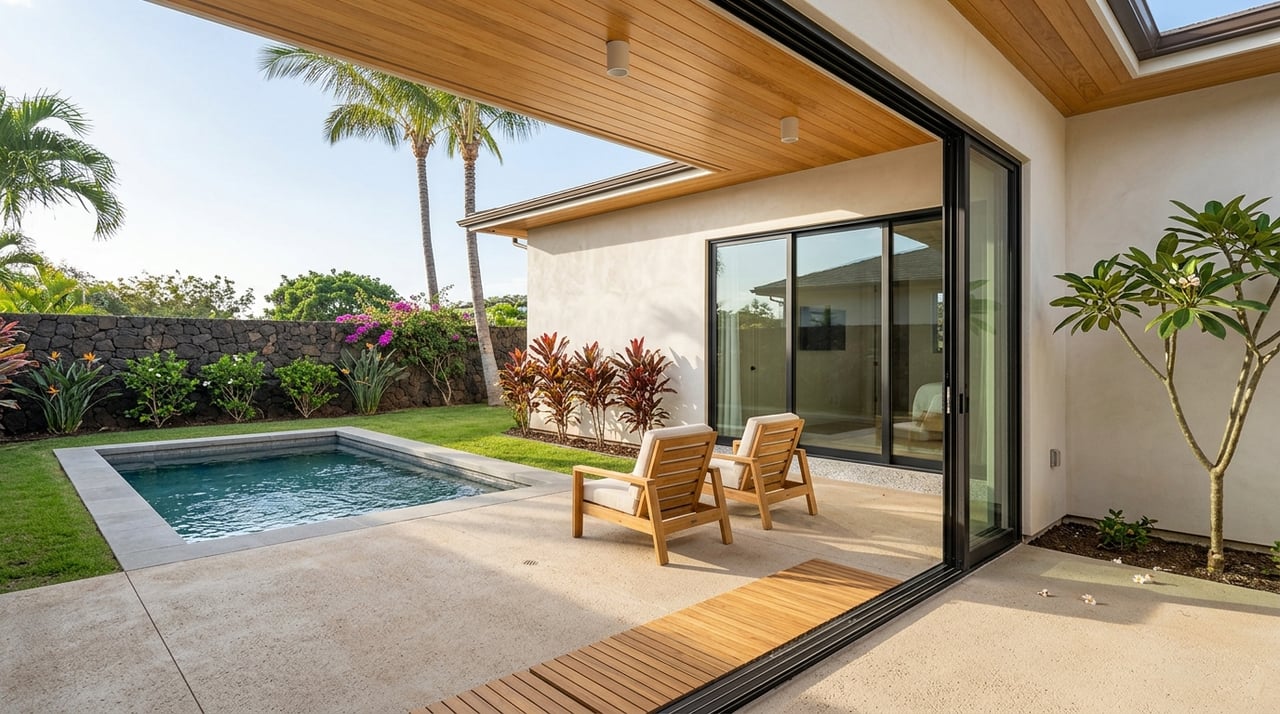
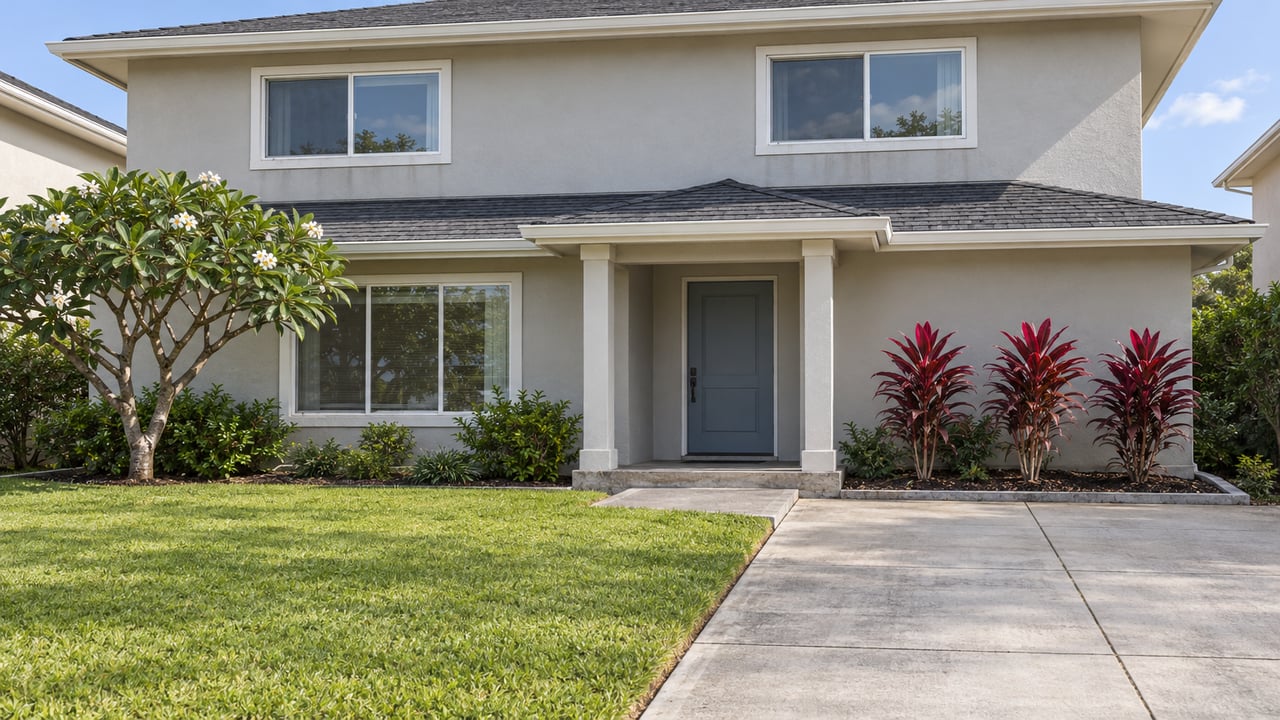
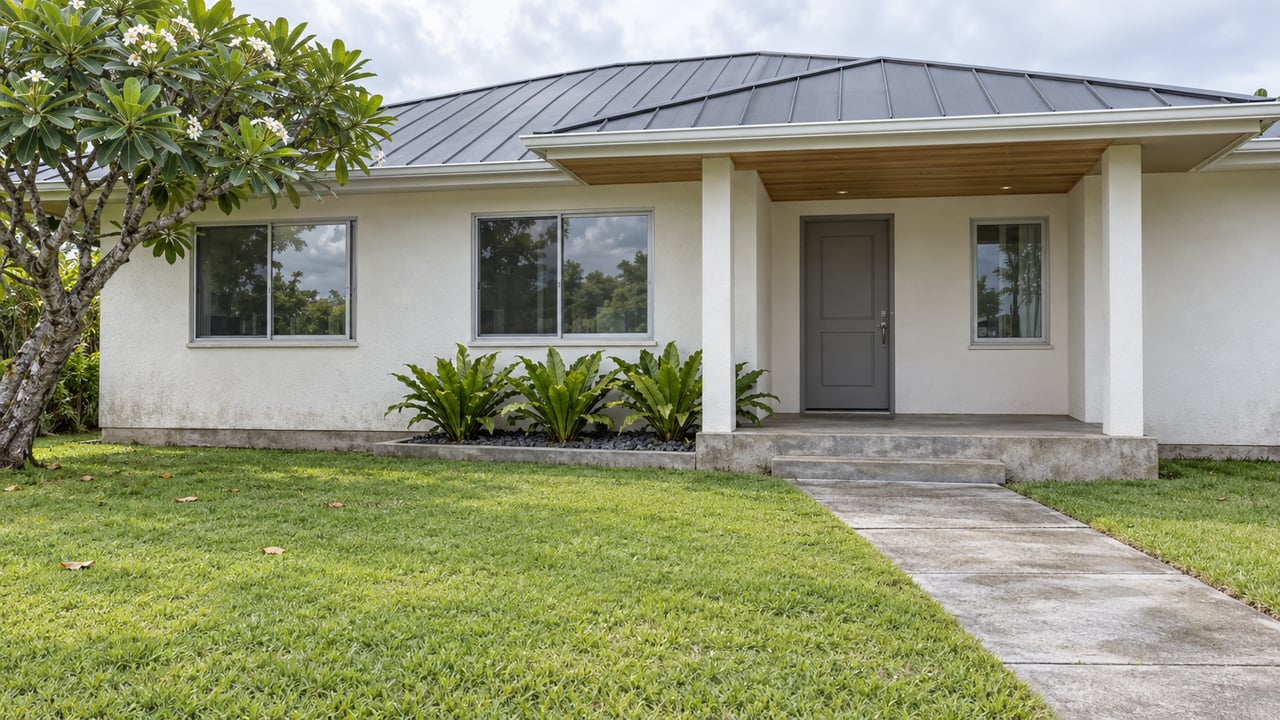
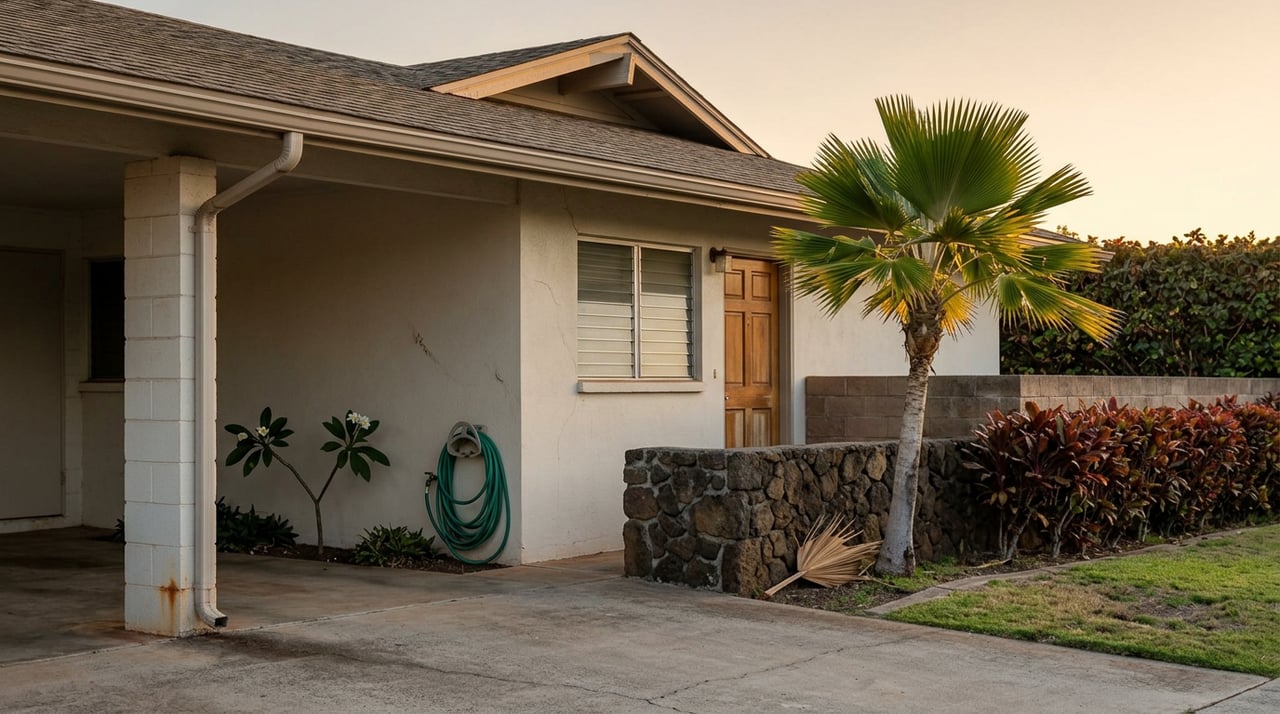
Waianae’s housing profile leans more toward detached living than high-rise living. Current census-based data show 3,763 housing units, and about 70% of housing units are single-unit structures.
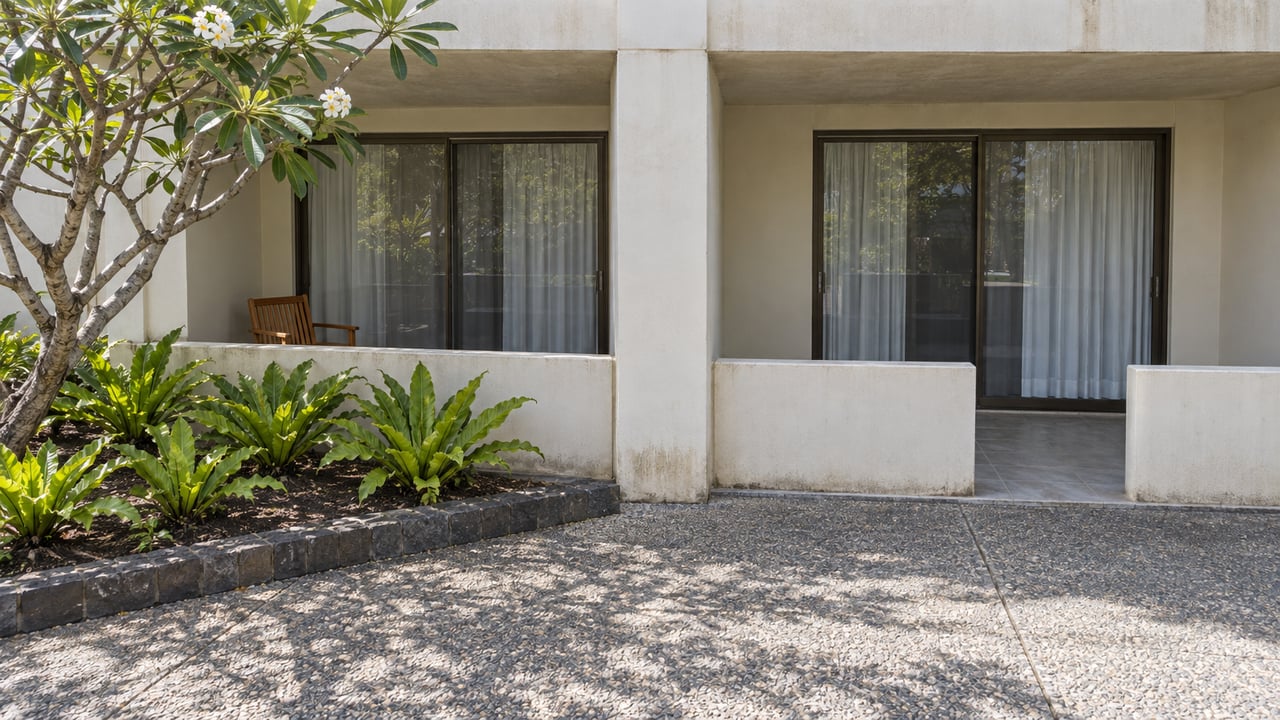
That does not mean every property is a standalone house. You may still find attached or multifamily options, but the overall mix suggests buyers are more likely to encounter detached homes than in condo-dominant parts of Oʻahu.
Homeownership is also a notable part of the market. The owner-occupied rate is 66.7%, which is higher than Honolulu County’s 59.8% rate. That can matter if you are looking for an area with a stronger owner-occupied presence.
For many buyers, one of Waianae’s biggest advantages is relative affordability within Honolulu County. The median owner-occupied home value in Waianae is $518,300, compared with $897,500 for Honolulu County overall.
That does not make any individual home a bargain, and market pricing always depends on the specific property, condition, and location. Still, the census figures show why buyers who want more room in their budget often include Waianae in their search.
Renters also have a data point to consider. The median gross rent is $1,277, which helps round out the local housing picture for people comparing renting and buying options.
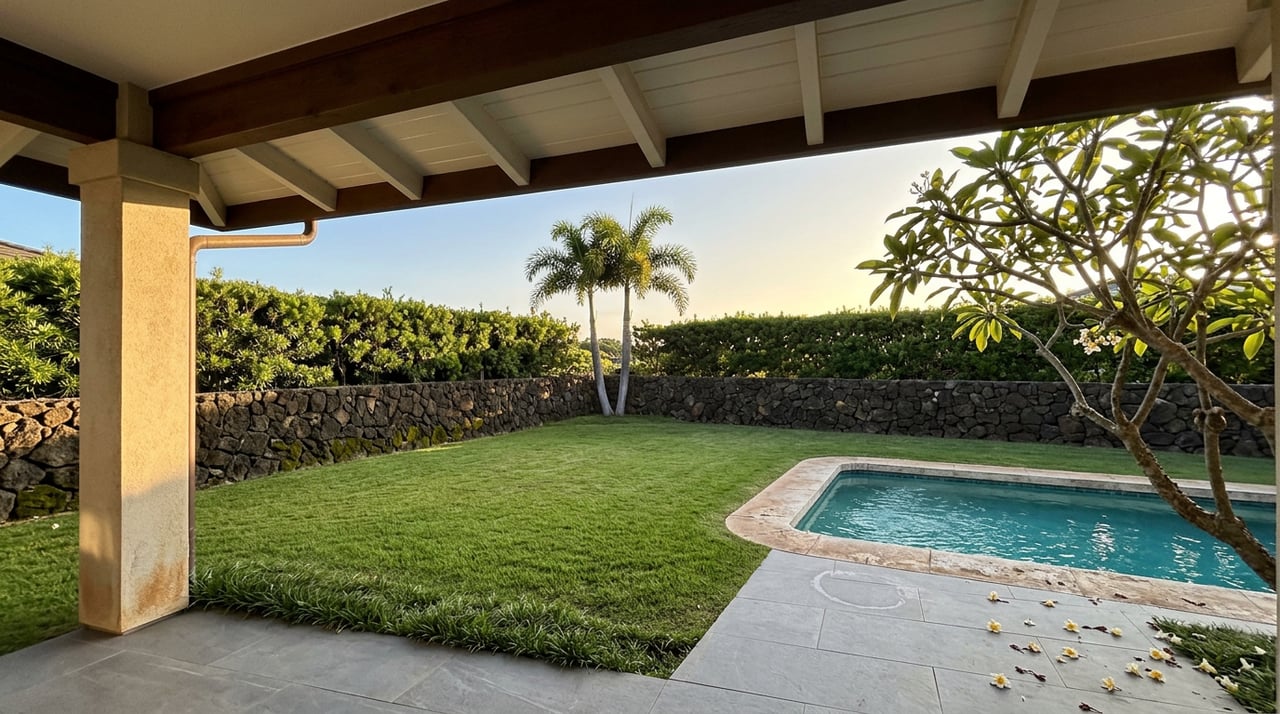
If you are shopping in Waianae, you may have a better chance of finding a home with more separation from neighbors than in more condo-heavy areas. That can appeal to buyers who want yard space, more parking flexibility, or a layout that feels more traditional.
At the same time, the local market is not one-size-fits-all. Housing options can include single-family homes along with some attached or multifamily product, so it helps to narrow your priorities early.
A few useful questions to ask yourself are:
Waianae’s lifestyle benefits come with a real practical consideration: travel time. Census data show a mean travel time to work of 42.2 minutes.
That number will not match every buyer’s schedule, but it does highlight an important part of the decision. If you work elsewhere on Oʻahu, your commute may play a major role in how the location feels day to day.
For some buyers, the extra drive is worth it for coastal access and housing value. For others, proximity to work or frequent appointments may matter more. The key is to weigh your daily routine as carefully as the home itself.
Buying near the coast can be rewarding, but it also calls for careful review. In Hawaiʻi, shoreline and hazard conditions are important parts of property research.
The Department of Land and Natural Resources Office of Conservation and Coastal Lands says that 70% of Hawaiʻi’s beaches are experiencing coastal erosion. It also notes that healthy beaches and dunes help protect development and infrastructure from erosion and coastal flooding.
That does not mean every property in Waianae has the same level of exposure. It does mean buyers should look closely at parcel-specific conditions rather than relying only on a map view or the appeal of an ocean-near location.
Two practical checks can help you evaluate a coastal property more clearly. FEMA’s Flood Map Service Center is the official public source for flood-hazard information, and DLNR explains that the certified shoreline is the baseline used for measuring shoreline setbacks.
Those details matter because setback rules, flood exposure, and future maintenance considerations can affect how you use, improve, or insure a property. If you are serious about a specific home, parcel-level review is essential.
This is one area where steady guidance can save you time and stress. A clear process helps you ask the right questions before you commit.
Ocean access is one of Waianae’s biggest lifestyle draws, but it should always be paired with awareness. Hawaii Ocean Safety rates beaches by hazard level, with red and black designations indicating high and extreme hazard conditions.
In other words, living near the water is an amenity, not a promise of safe conditions every day. If beach time is a major reason you are drawn to Waianae, it helps to treat ocean safety as part of your regular routine.
That balanced mindset is useful for both new arrivals and longtime island residents. You can enjoy the lifestyle while staying grounded in the realities of local conditions.
Waianae can be a strong fit if you want a coastal setting and you are open to a different pace than more urban parts of Oʻahu. It may also appeal to buyers who prioritize detached housing, owner-occupied neighborhoods, or a lower price point within Honolulu County.
If you are relocating, especially on a military timeline or from off-island, Waianae is worth evaluating with both lifestyle and logistics in mind. Coastal access, commute length, and property-specific due diligence should all be part of the conversation.
For sellers, these same features shape how a home should be positioned. Buyers often respond to the blend of shoreline lifestyle, practical housing options, and relative value, but they also want clear information about the property and the area.
The best Waianae decisions usually come from balancing excitement with preparation. It is easy to focus on ocean access and price, but the strongest results come when you also factor in commute, housing type, and coastal review.
If you are buying, start with your daily lifestyle needs and your non-negotiables. If you are selling, make sure your home’s value story is supported by thoughtful preparation and market-aware pricing.
Whether you are moving across Oʻahu or arriving from off-island, local context matters here. When you understand both the appeal and the tradeoffs, you can make a decision with more confidence.
If you are thinking about buying or selling in Waianae, Hawaiʻi Homefront can help you navigate the process with clear guidance, local insight, and steady support.
Stay up to date on the latest real estate trends.
The Hawai’i Homefront provides expert real estate guidance across Honolulu, helping buyers and sellers navigate the market with confidence, clarity, and local insight.
HAWAI'I HOMEFRONT
4211 Waialae Ave Ste 100 Honolulu, HI 96816